Q1. What is a Pila Saree and why is it special in Rajasthani tradition?
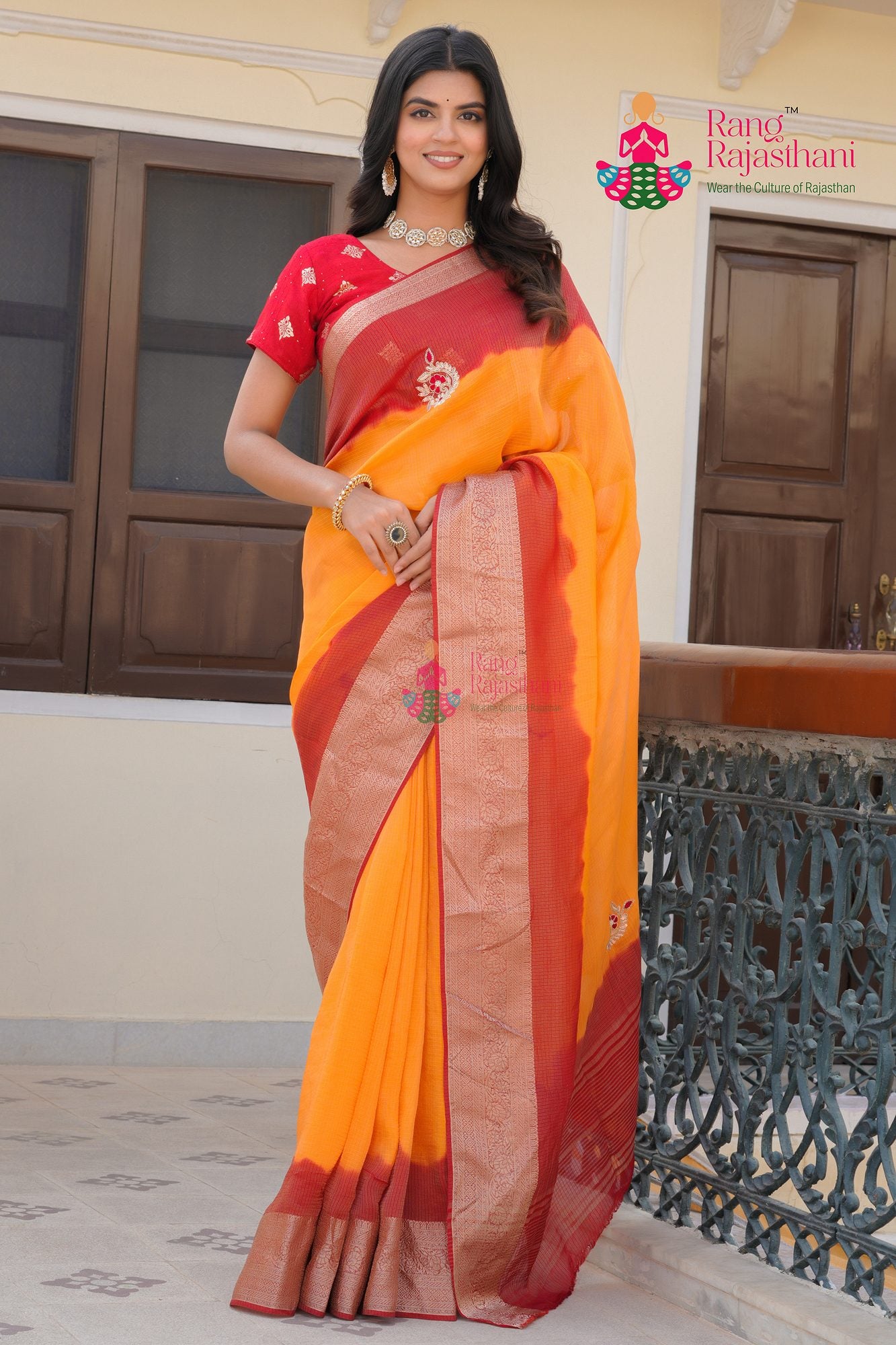
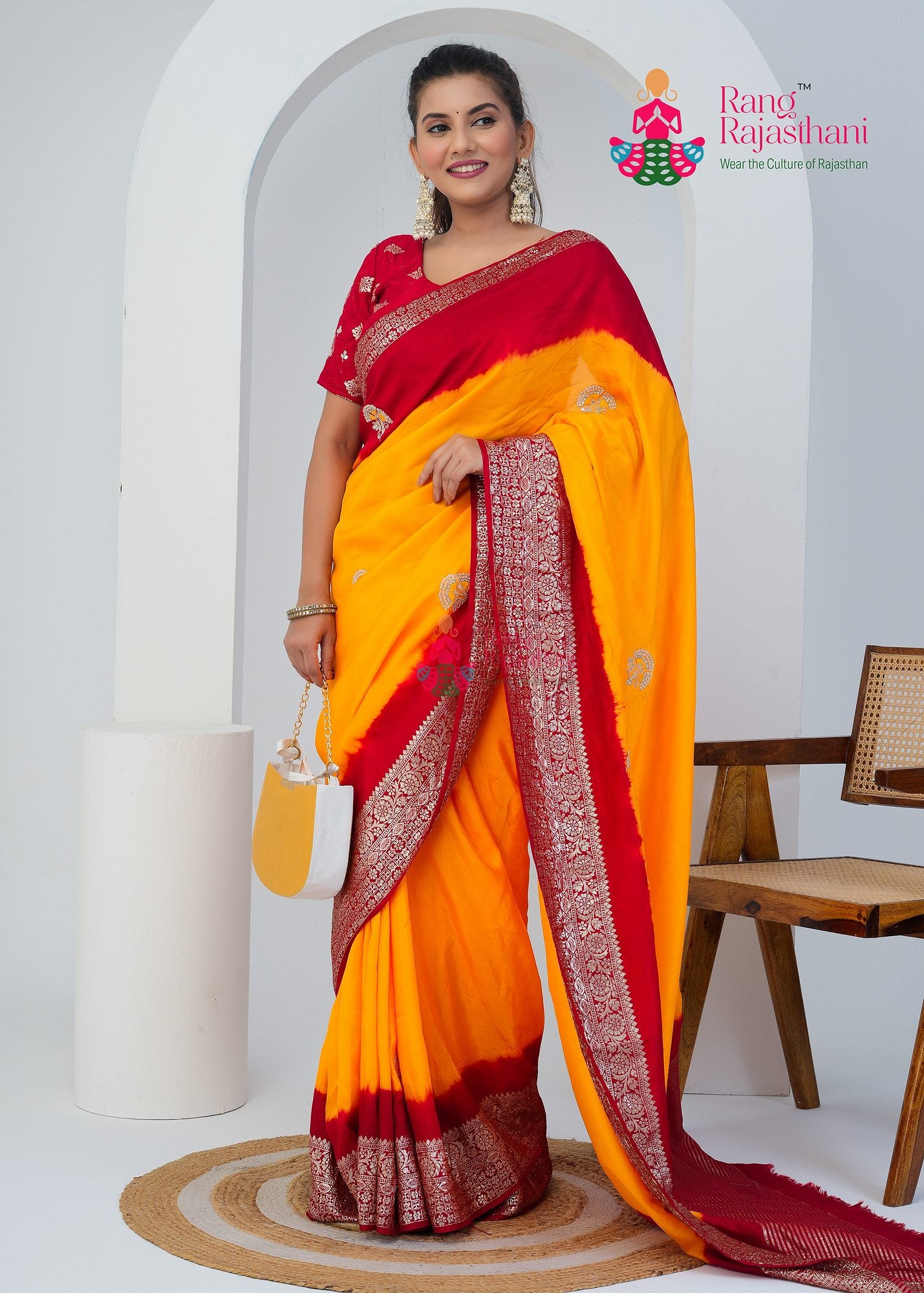
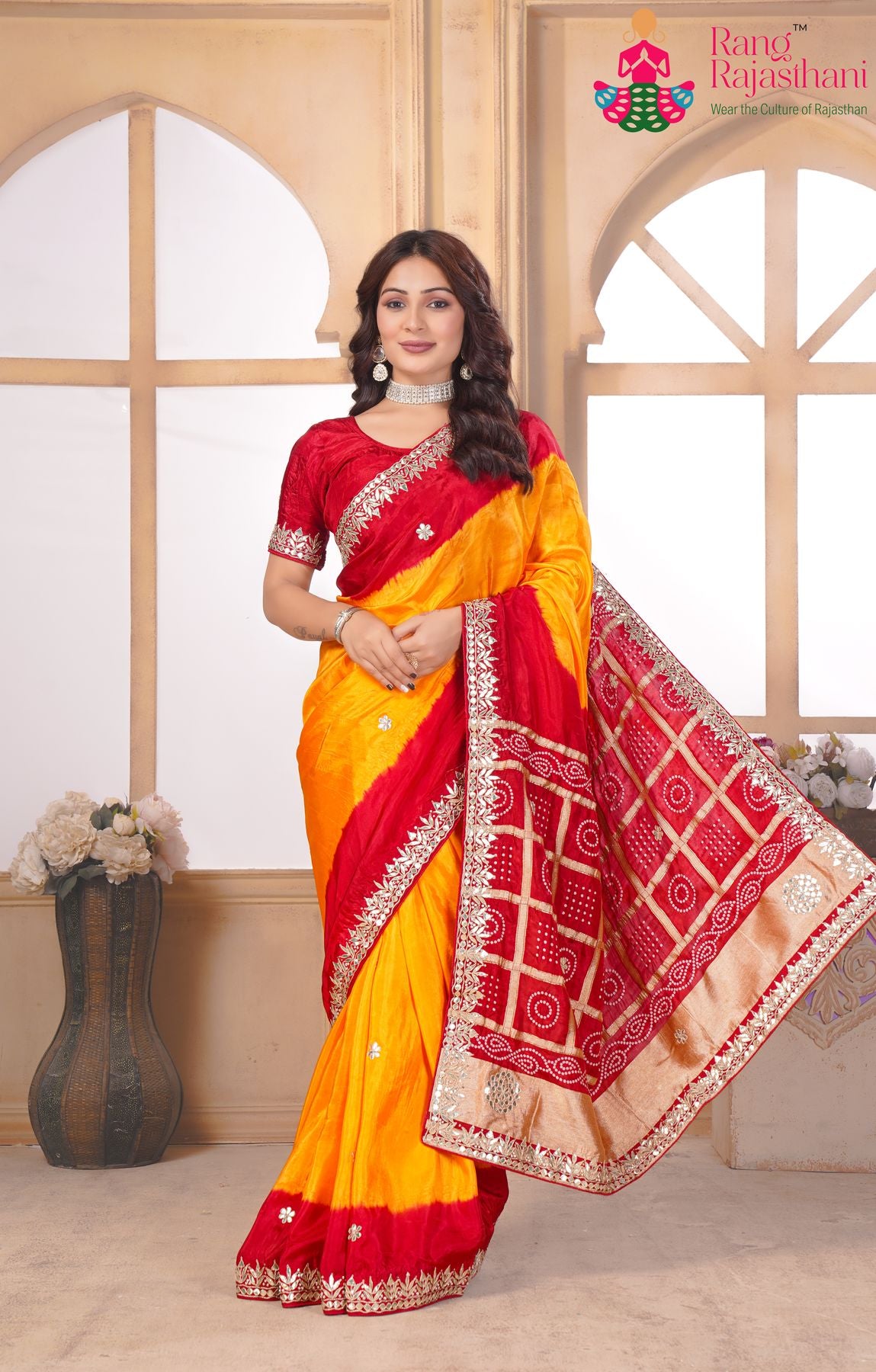
A Pila Saree is a traditional Rajasthani and Marwari yellow saree associated with motherhood rituals, blessings, and new beginnings.
It is traditionally gifted to a new mother by her piyar paksh — her parents, brothers, and maternal family — during important newborn ceremonies and celebrations.
In Rajasthani culture, the bright yellow colour symbolises:
- Joy and celebration
- Auspicious beginnings
- Blessings and positivity
- Motherhood and nurturing
- Fertility and family happiness
Because of this emotional and ritual significance, a Pila Saree is considered much more meaningful than simply a yellow festive saree. It becomes part of some of the most cherished moments in a family's life.
Q2. When is a Pila Saree worn?
A Pila Saree is traditionally worn during important newborn and motherhood ceremonies in Rajasthani and Marwari families.
The most common occasions include:
- Jalwa Pooja — the newborn welcoming ritual
- Chuchak Ceremony — gifting and blessings from the maternal family
- Namkaran Sanskar — the baby's naming ceremony
- Surya Darshan / Soor Pooja — the baby's first sun blessing
- Other family-specific Motherhood Ceremony rituals
During poojas and blessings, many mothers drape the saree traditionally with the pallu or odhani covering the head as part of ritual customs.
Q3. Who traditionally gifts the Pila Saree to the new mother?
In traditional Rajasthani and Marwari culture, the Pila Saree is gifted by the new mother's piyar paksh, meaning her maternal family.
This usually includes:
- Parents
- Brother and bhabhi
- Close maternal relatives
The saree is often brought during the Chuchak rasam along with sweets, gifts, blessings, and newborn essentials for the child and mother.
Emotionally, the Pila Saree represents love, support, blessings, and the maternal family's presence during one of the most important phases of a woman's life.
Q4. What makes Rang Rajasthani's Pila Sarees suitable for new mothers and newborns?
This collection has been curated specifically keeping the comfort and practicality of new mothers in mind.
Key features include:
- Soft, skin-friendly fabrics like Pure Chinon, Pure Russian Silk, Pure Dola Silk, and Soft Georgette
- Lightweight drape for comfortable long ceremonial wear
- Controlled embellishment placement to avoid rough surfaces or sharp heavy work while holding the baby
- Elegant modern styling that still respects traditional ritual dressing
- Festive richness without excessive heaviness or discomfort
Every saree is selected to balance cultural tradition, emotional significance, and mother-baby comfort.
Q5. Can a Pila Saree be worn outside Motherhood Ceremonies?
Absolutely.
While the Pila Saree carries deep importance during motherhood rituals, many pieces from this collection can also be beautifully worn for:
- Haldi ceremonies
- Basant Panchami celebrations
- Festive poojas
- Family gatherings
- Yellow-themed celebrations and daytime festive events
Because yellow is considered an auspicious colour across Indian traditions, a Pila Saree often continues to remain a meaningful festive saree in a woman's wardrobe long after the motherhood ceremonies are complete.
Q6. How do I care for my Pila Saree to preserve it as a keepsake?
For many women, a Pila Saree becomes an emotional keepsake connected to motherhood memories and family blessings. Proper care helps preserve it beautifully for years.
Care recommendations include:
- Dry cleaning for silk-based and embellished sarees like Russian Silk, Dola Silk, Upada Silk, and zari-work pieces
- Gentle cold-water hand wash only for lighter Chinon and Georgette sarees when appropriate
- Avoid wringing the saree aggressively after washing
- Always dry in shade instead of direct sunlight
- Store folded inside soft muslin cloth rather than plastic packaging
- Change folds occasionally to prevent permanent creases
- Iron only on low heat with a thin cotton cloth barrier
With proper care, a Pila Saree can remain beautiful for decades and often becomes a treasured heirloom passed through generations.